
What does the new building safety levy mean for construction firms?
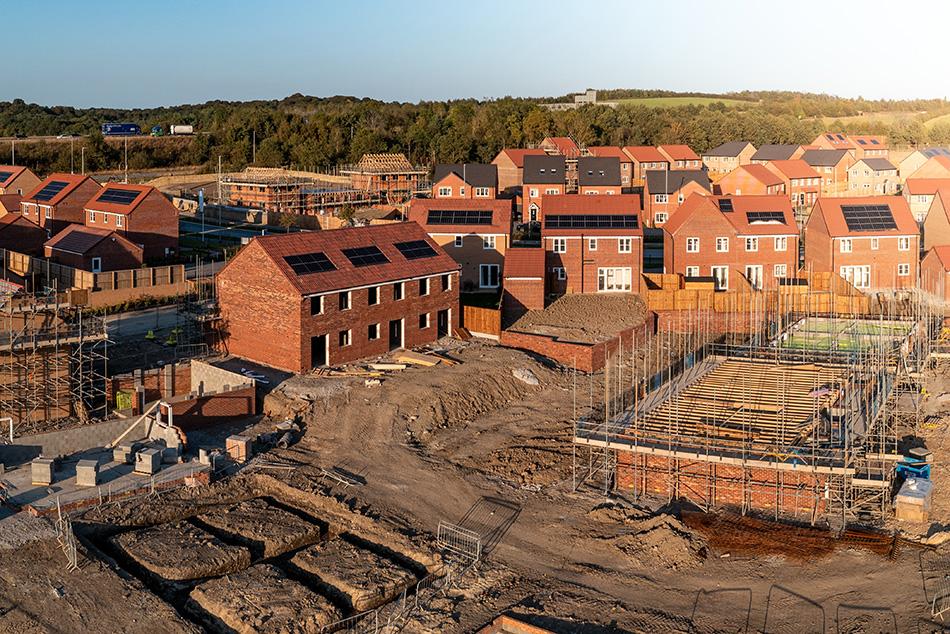

On 1 October a new cost to construction firms came into force, affecting project budgets, risk allocation and completion timelines. Sophie Hutton explains the new building safety levy, exploring who pays, when and why, and looks at what this could mean for your business.
What is the building safety levy?
The levy was introduced under the Building Safety Levy (England) Regulations 2025.It is a charge that developers must pay on certain building control applications or notices before completing the building work or before occupying the building (whichever is earlier).
The levy is intended to raise money to put towards remediation works of building safety and fire defects, such as dangerous cladding. The aim of this is to help take the pressure off public funding and avoid further costs being imposed on leaseholders.
Who must pay this?
Developers must pay the levy on applications which meet the following three conditions:
- Major Residential Development – the works constitute, or form part of a development of 10 or more new dwellings, or 30 or more bedspaces for purpose-built student accommodation (PBSA).
- Creation of new residential floorspace – such as new dwellings, qualifying PBSA or communal areas serving them. This can include new build development, conversion of a non-residential building and extensions creating additional floorspace.
- The client is not an exempt person – the named client must not fall within the statutory exemption for a non-profit registered provider of social housing or its wholly owned subsidiary.
The levy applies to building applications made on or after 1 October 2026. Any application made before that date will generally be excluded. Any rejected pre-commencement application that needs re-submitting after that date may be liable for the levy.
The levy is not applicable to developments of affordable housing, social housing, non-profit registered providers, NHS hospitals, care homes, supported housing and small developments under 10 units.
What does this mean for developers and construction teams?
- Extra cost – The levy is an additional development cost which should be identified at feasibility and tender stage. The levy amount is determined by the local authority. Contractors should reflect whether their pricing includes or excludes the levy amount.
- Complicating completion – Developers must provide the levy information through the relevant building control process. The local authority will determine whether a charge is payable and the amount due. Full payment must be made before a completion certificate or final certificate is given. Failure to pay the levy may therefore delay completion.
- Changes must be covered – The levy information must be updated and recalculated if there are any changes to the design, number of dwellings or any other developmental changes.
- Compliance is compulsory - Levy compliance should be incorporated into project programmes and completion checklists along with evidence of payment or a notice confirming that no charge is due.
The new levy introduces another factor to consider in the development of residential properties. Although the amounts charged will vary by project, it is important incorporate them into planning at the very earliest stages.
Key takeaways
- Review levy liability early as part of residential development planning
- Review contractual arrangements to establish how the cost is to be managed
- Establish who will provide the required information and how levy compliance will be incorporated into project programmes and completion procedures.
A tax on developers of certain residential properties.
It was already introduced on 1 October, 2026 so the levy applies to all developments moving forward.
Developers of major residential dwellings, conversions or extensions for residential purposes. Non-profit registered providers of social housing or wholly owned subsidiaries are not included.